

The way people search for care has changed, and it continues to evolve rapidly. Families are no longer relying on a single website visit or a printed directory. Instead, they move between search engines, social platforms, review sites, and local listings, often over days or weeks, before making contact.
For care companies in 2026, being ‘online’ is no longer about having a website alone. It’s about being visible, trustworthy, and consistent everywhere families look for reassurance.
For personalised care marketing advice, contact our team at Care Connect today.
Why Being 'Everywhere' Matters in Care
UK adults now spend an average of over 4.5 hours online each day, with digital platforms replacing traditional media as the primary source of information.
In care, this matters because decisions are rarely instant. Families research, compare, return, and seek confirmation from multiple sources before reaching out.
If your organisation appears in one place but not another, or presents inconsistent information, it can quietly erode trust.
Your Website: Still the Foundation
Your website remains the central hub of your online presence. It is where families go to understand who you are, what you offer, and whether they feel confident contacting you.
In 2026, a care website must:
- Clearly explain services in plain English
- Be accessible and easy to navigate
- Load quickly on mobile devices
- Reflect current, accurate information
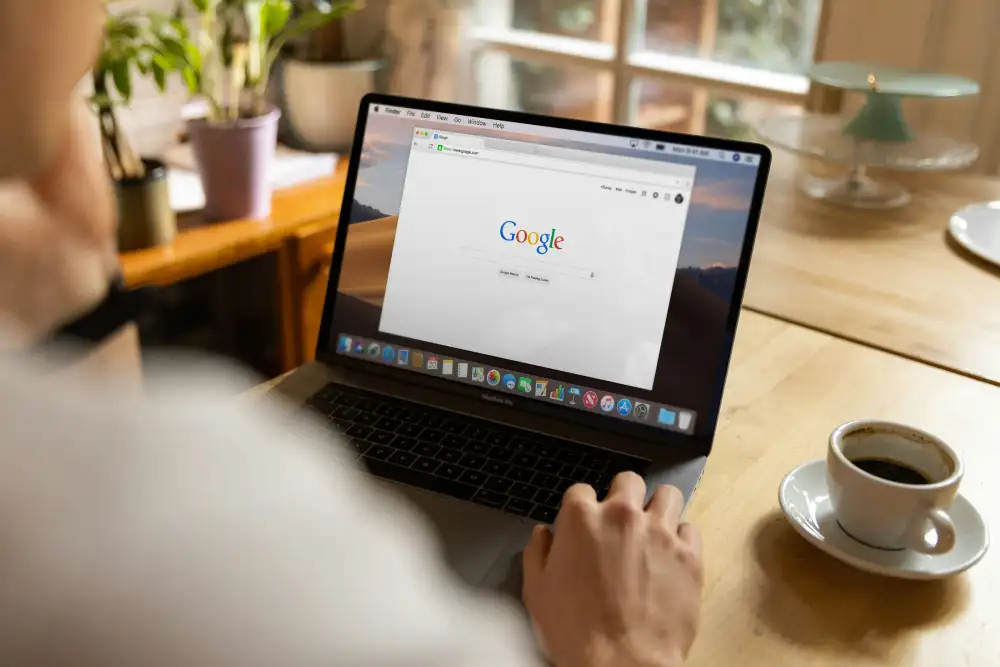
Google Search is still used by around 82% of UK adults, with billions of searches each month. Increasingly, search results now include AI-generated summaries, making clarity and credibility even more important.
Your website content must be structured and trustworthy enough to be surfaced (and trusted) in these summaries.
Google Business Profile: Essential for Local Trust
For care providers serving specific communities, a Google Business Profile is non-negotiable.
Local search remains one of the strongest drivers of enquiries for service-based organisations. While a website explains your services, a Google Business Profile shows:
- Location and service area
- Reviews and ratings
- Opening hours and contact options
Google Business Profiles function less as a ranking tool and more as a trust signal, particularly for families comparing local providers. Reviews, photos, and accurate details often influence decisions before a website is even clicked.
Review Platforms: Where Confidence is Confirmed
Families don’t just read what care companies say about themselves. They actively look for validation elsewhere.
Review platforms (including Google Reviews and care-specific directories) act as confirmation points. Even a small number of thoughtful, genuine reviews can reassure families that your service matches your marketing.
Given ongoing capacity pressures in the UK care sector, where supply has not kept pace with demand, families are increasingly selective and cautious in their choices.
Being visible where reviews are expected is now part of ethical care marketing.
Social Media: Presence Over Performance
Social media is not always about generating direct enquiries, especially in care. It is about visibility, reassurance, and human connection.
In the UK:
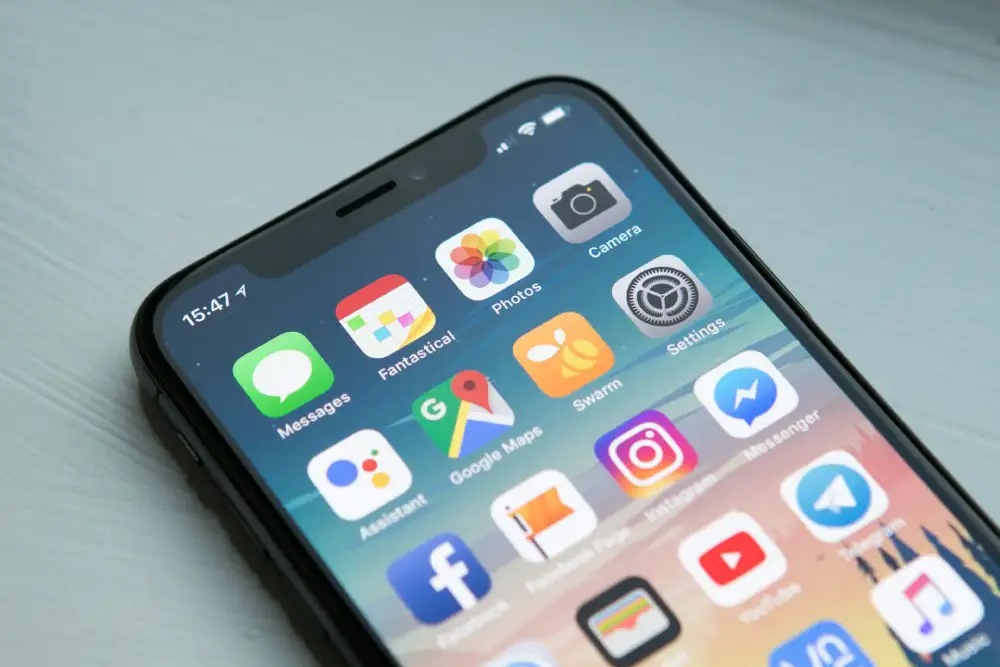
- YouTube is used by 94% of online adults, with an average daily viewing of 51 minutes
- Facebook and Messenger reach 93% of adults, with particularly strong usage among those aged 35+
- WhatsApp is used by 90% of UK adults, making it a key communication channel
For care companies, this means:
- Facebook remains valuable for community presence and updates
- YouTube supports educational, trust-building content
- Messaging platforms support accessible communication
You do not need to be everywhere actively, but you do need to be present and consistent.
LinkedIn: Credibility and Professional Visibility
LinkedIn plays a quieter but important role in care marketing.
It is often used by:
- Commissioners
- Partners
- Senior decision-makers
- Prospective staff
A maintained LinkedIn presence reinforces professionalism, ethical positioning, and sector involvement. It also supports recruitment and partnerships, both critical challenges in care.
Email: Still One of the Most Trusted Channels
Despite constant digital change, email remains one of the most stable and trusted communication channels.
Care organisations can use email to:
- Share updates and guidance
- Build long-term relationships
- Support families over time
Email is particularly effective when paired with ethical marketing principles: informative, supportive, and never overly sales-driven.
AI Search and Emerging Discovery Channels
Search behaviour is shifting. Generative AI tools and AI-enhanced search experiences are now part of everyday discovery.
In 2025 alone, generative AI platforms recorded hundreds of millions of UK visits, and their influence continues to grow.
For care companies, this means:
- Clear, structured content
- Consistent messaging across platforms
- Transparent, trustworthy information
AI tools draw from multiple sources. If your presence is fragmented or outdated, you risk being misrepresented.
Accessibility and Ethics Across Every Channel
Being ‘everywhere’ does not mean being loud. It means being responsible.
UK regulators and the public are increasingly sensitive to how older people and vulnerable groups are portrayed online. The Advertising Standards Authority has highlighted ongoing concerns about stereotypical or misleading portrayals of older adults in marketing.
Ethical care marketing in 2026 requires:
- Accessible content
- Respectful imagery and language
- Honest representation across platforms
Every digital touchpoint should reflect the values of care itself.
Industry-Specific Bodies and Directories
Beyond mainstream search and social platforms, many families actively seek reassurance through trusted care-specific bodies and directories. These sources act as independent validation points, helping families confirm that a provider is regulated, credible, and established before making contact.
Key industry bodies and directories include:
- Care Quality Commission (CQC)
The primary regulator for health and social care in England. Families regularly review CQC profiles to check registration status, inspection outcomes, and service details before shortlisting providers. - co.uk
One of the most widely used care comparison platforms in the UK, particularly for home care. Families use it to compare providers, read verified reviews, and assess quality ratings alongside location and services offered. - Care England
A leading representative body for independent care providers. While not a consumer comparison site, membership signals professionalism, sector engagement, and adherence to best practice. - UK Homecare Association
A key professional body for homecare providers, promoting standards, guidance, and workforce support. Being associated with recognised sector organisations strengthens credibility with commissioners and partners. - Local authority care directories and care choices guides
Many councils publish care directories (often informed by CQC data) that families consult when seeking regulated providers in their area, especially during urgent or transitional care decisions.
Being present and accurate across these industry-specific listings helps ensure families find consistent, validated information wherever they look. In a sector built on trust, these directories often provide reassurance long before a website form is filled in.

Bringing it all Together
Care companies don’t need to chase every new platform. They need to show up consistently and credibly where families already are.
Being visible across websites, search, reviews, social platforms, and emerging AI-driven channels ensures that when families look for reassurance, they find clarity, not confusion.
A Smarter Digital Presence for Care in 2026
In 2026, strong care marketing is not about volume. It’s about presence, trust, and alignment.
Care companies that invest in being visible in the right places (and showing up ethically in each) are better placed to support families, protect their reputation, and grow sustainably in an increasingly complex digital landscape.